
Why Small Windows Matter
On shelter, light, and restraint in architecture.
Small windows are rarely associated with contemporary hospitality.
Today many hotels prioritize exposure: floor-to-ceiling glazing, panoramic views, and uninterrupted visual connection to the landscape. Openness has become synonymous with comfort and value.
Historically, windows served a different role.
They were calibrated openings in a protective envelope.
In coastal and exposed climates, buildings had to negotiate wind, salt, temperature shifts, and strong sunlight. Walls provided stability. Openings were carefully measured interruptions in that stability.
A window was not simply a view.
It was a negotiation between shelter and exposure.
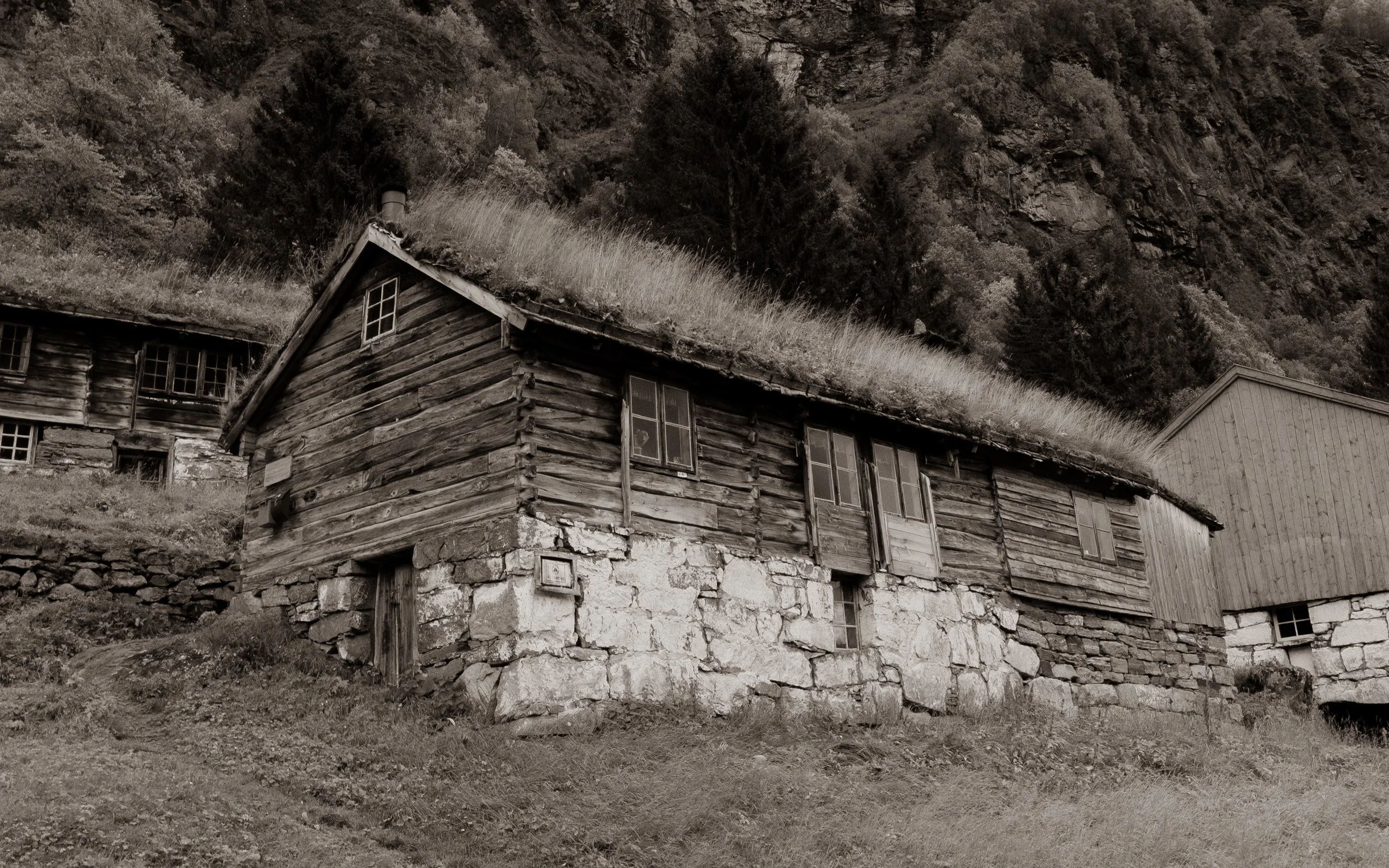
Large glass surfaces maximize visibility but also increase environmental input. Light floods the interior. Temperature shifts quickly. Movement outside constantly enters the field of vision.
Small windows behave differently.
They frame the landscape rather than displaying it.
Light enters directionally, creating contrast and shadow. The thickness of the wall becomes visible. Interior space feels contained rather than exposed.
The result is not less connection to the outside.
It is a more deliberate one.

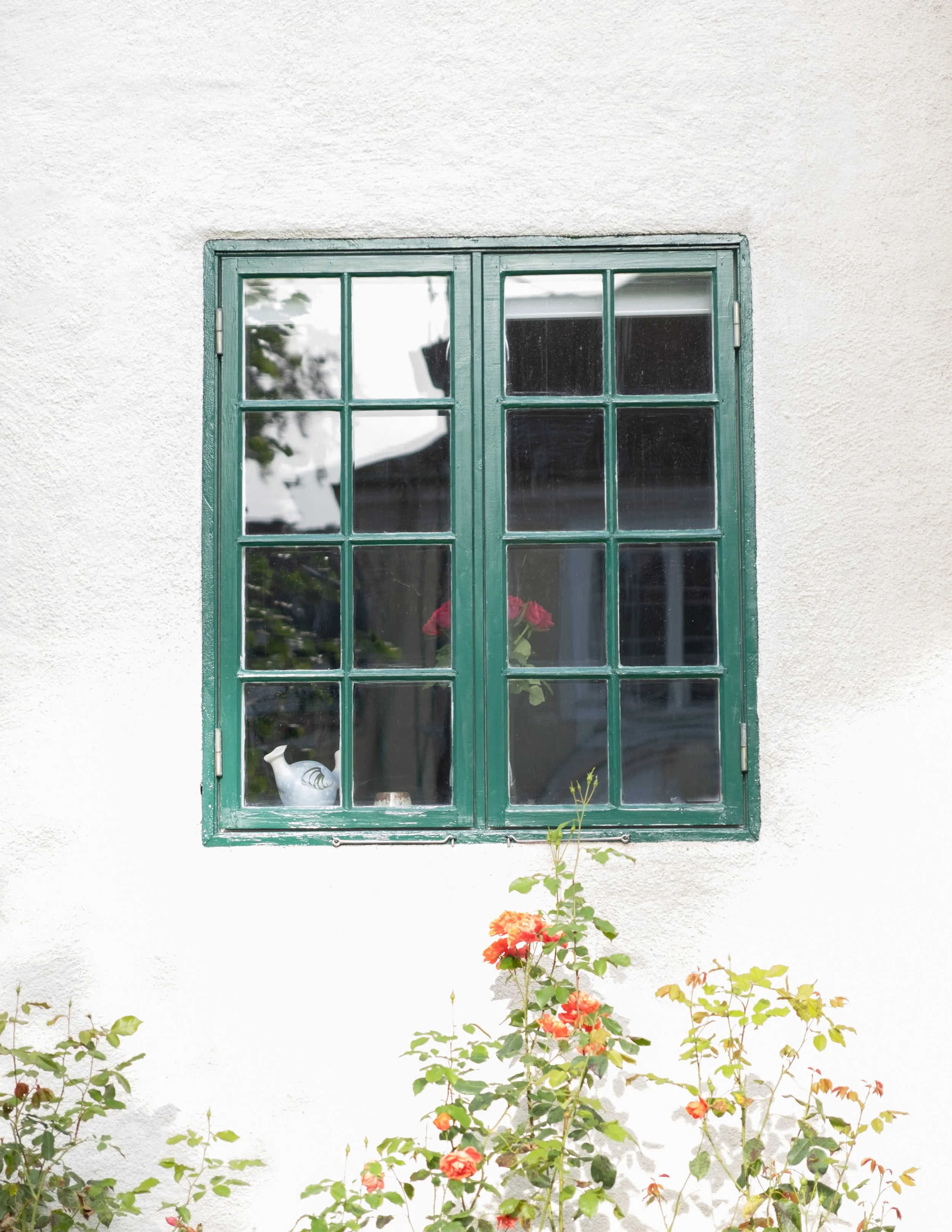
There is also a psychological dimension. Humans evolved in environments where shelter was essential. Thick walls and controlled openings signal protection. When architecture establishes a clear boundary between inside and outside, the body often relaxes.
Large glazing can blur that boundary.
In dramatic landscapes this may amplify the view, but it can also amplify exposure.
Small windows restore hierarchy.
Interior becomes refuge.
Landscape becomes something encountered through framing.



Today technology allows buildings to open almost entirely to the outside. Yet the spatial intelligence behind smaller openings remains relevant.
Small windows do not eliminate the landscape.
They frame it.
And in powerful environments, framing can sometimes be the most respectful way to look.