
Craft and Continuity
On material knowledge, local skill, and the long life of places.
Craft is often reduced to decoration.
In hospitality design it appears as surface detail—handmade tiles, textured plaster, visible joinery. These elements signal authenticity, yet they are often treated as aesthetic additions rather than structural knowledge.
Historically, craft served a different function.
It translated local materials and environmental conditions into architecture.
Stone masonry developed where stone was abundant. Timber joinery evolved where forests were close and winters were long. Lime plaster responded to humidity and salt. Shutters moderated sunlight and air movement.
Craft was not stylistic expression.
It was accumulated environmental intelligence.
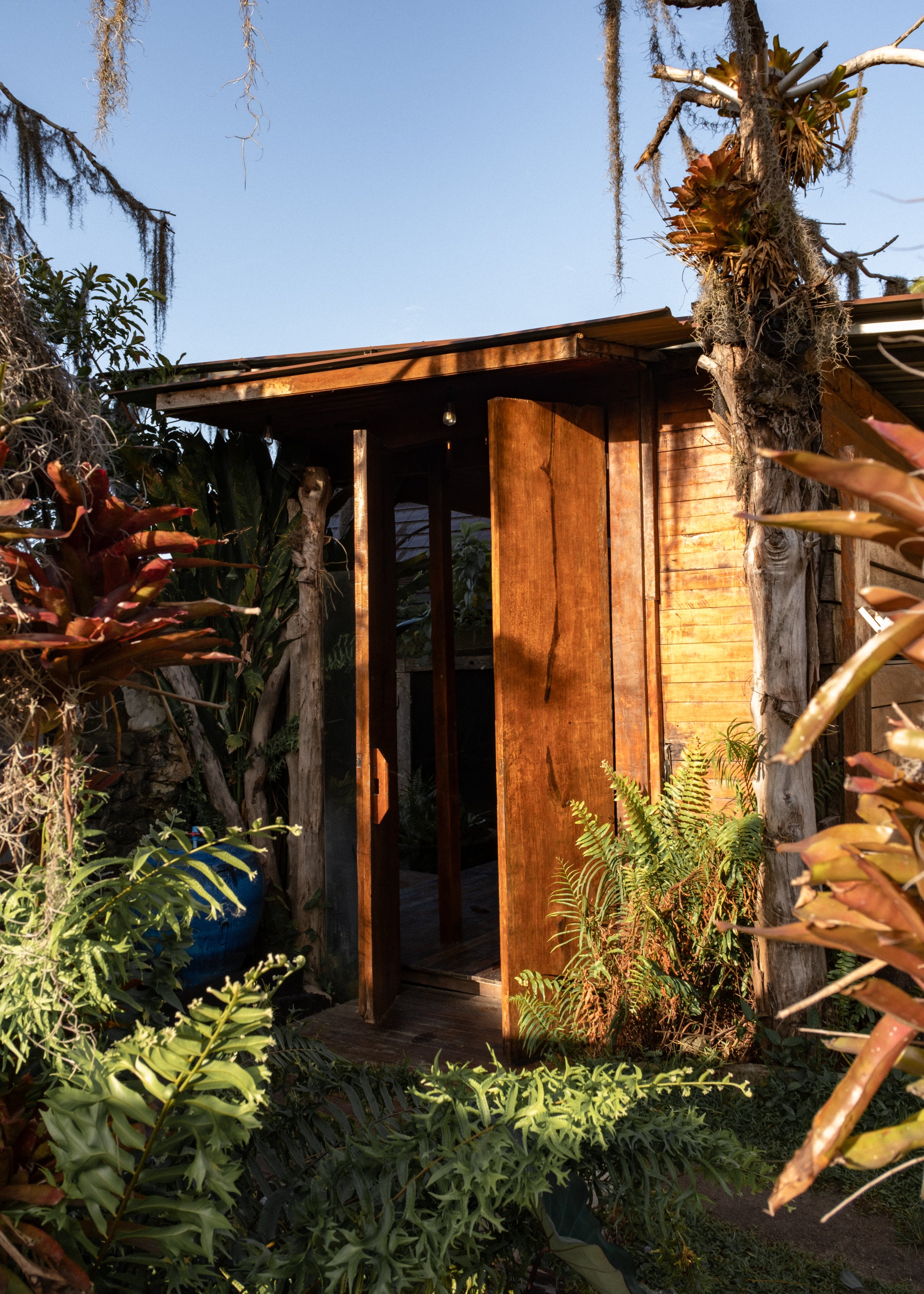
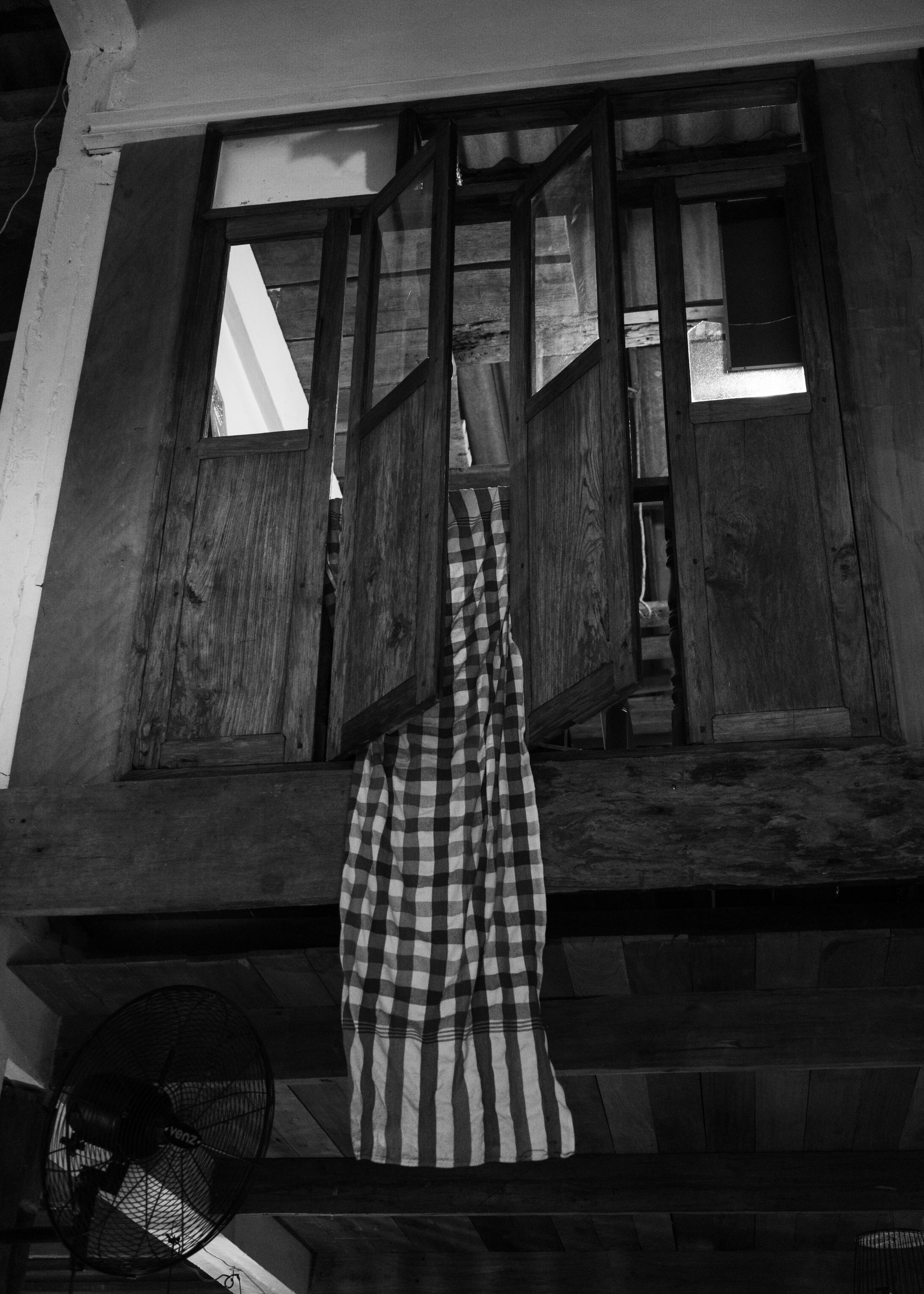
Over time this knowledge created architectural continuity. Buildings constructed generations apart still shared proportions, materials, and construction logic. Villages developed recognizable identities not through uniform planning but through shared craft traditions.
This continuity is what gives many destinations their sense of place.
When visitors describe a place as authentic, they often respond not only to architecture itself but to the persistence of these material languages over time.
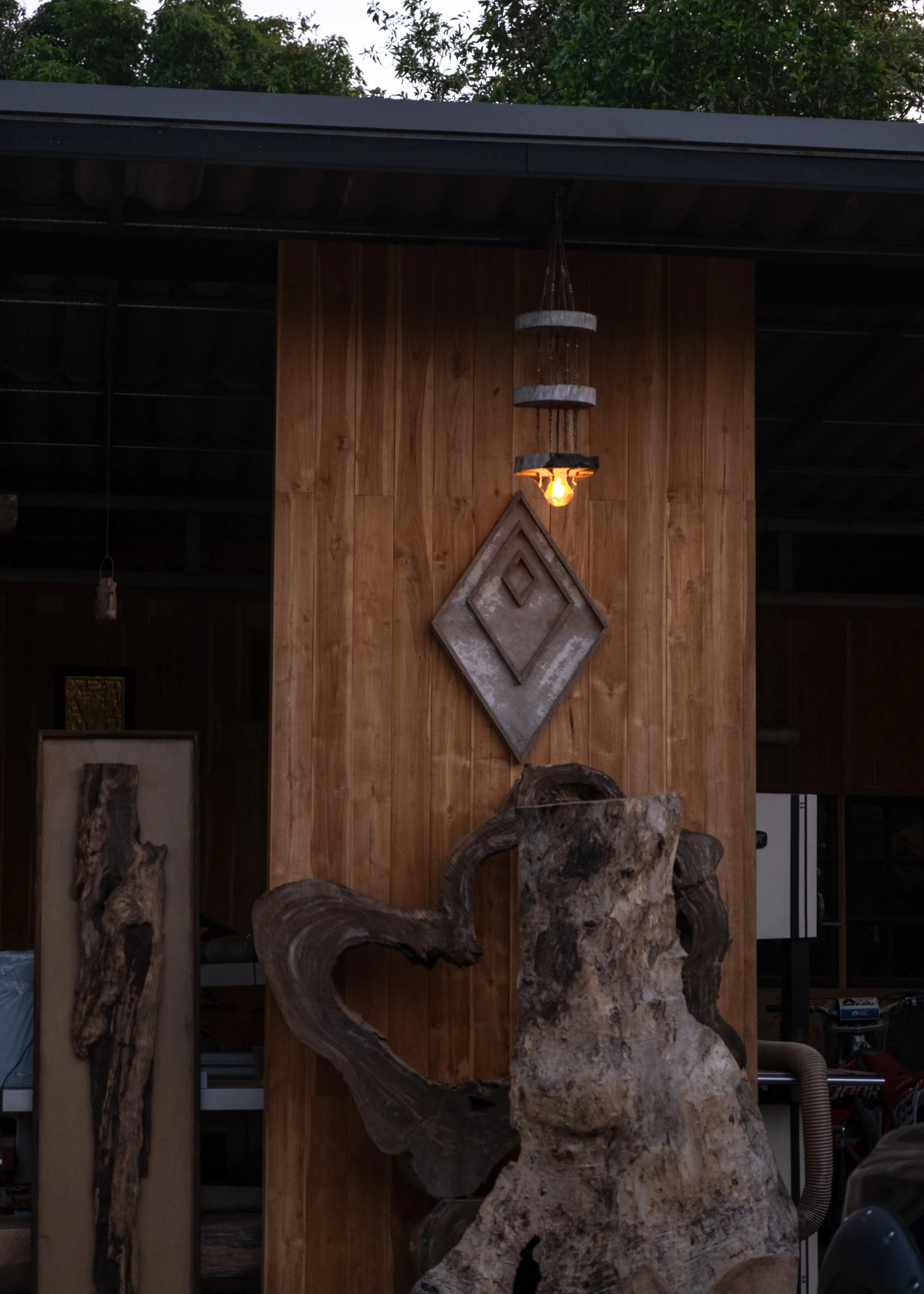
Modern construction has largely removed the necessity of craft. Industrial materials and global supply chains allow buildings to be constructed almost anywhere with the same techniques.
Architecture becomes transferable.
Hotels built in different landscapes begin to resemble one another.
What disappears in this process is continuity.
Without local craft, architecture risks losing its relationship to place.
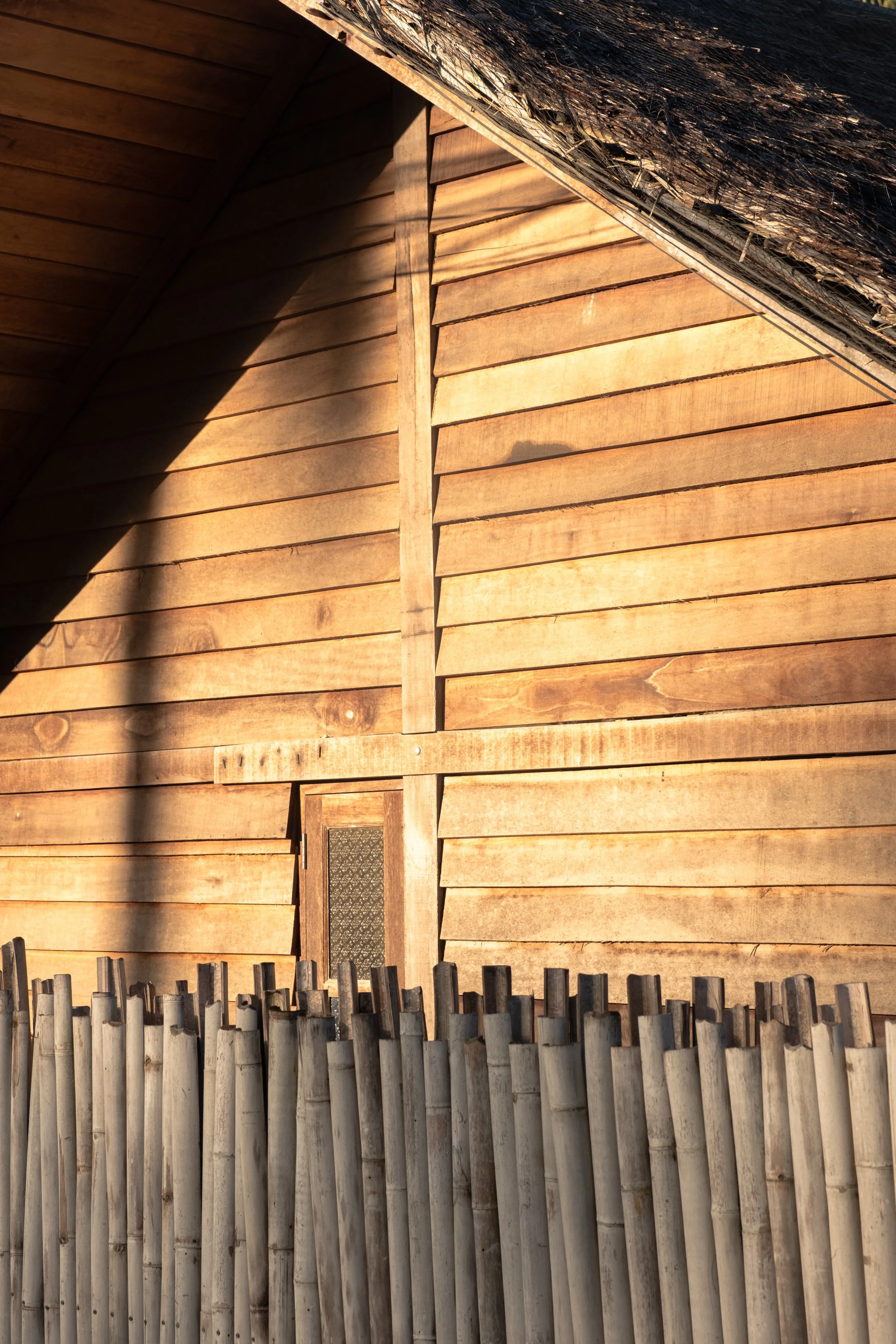
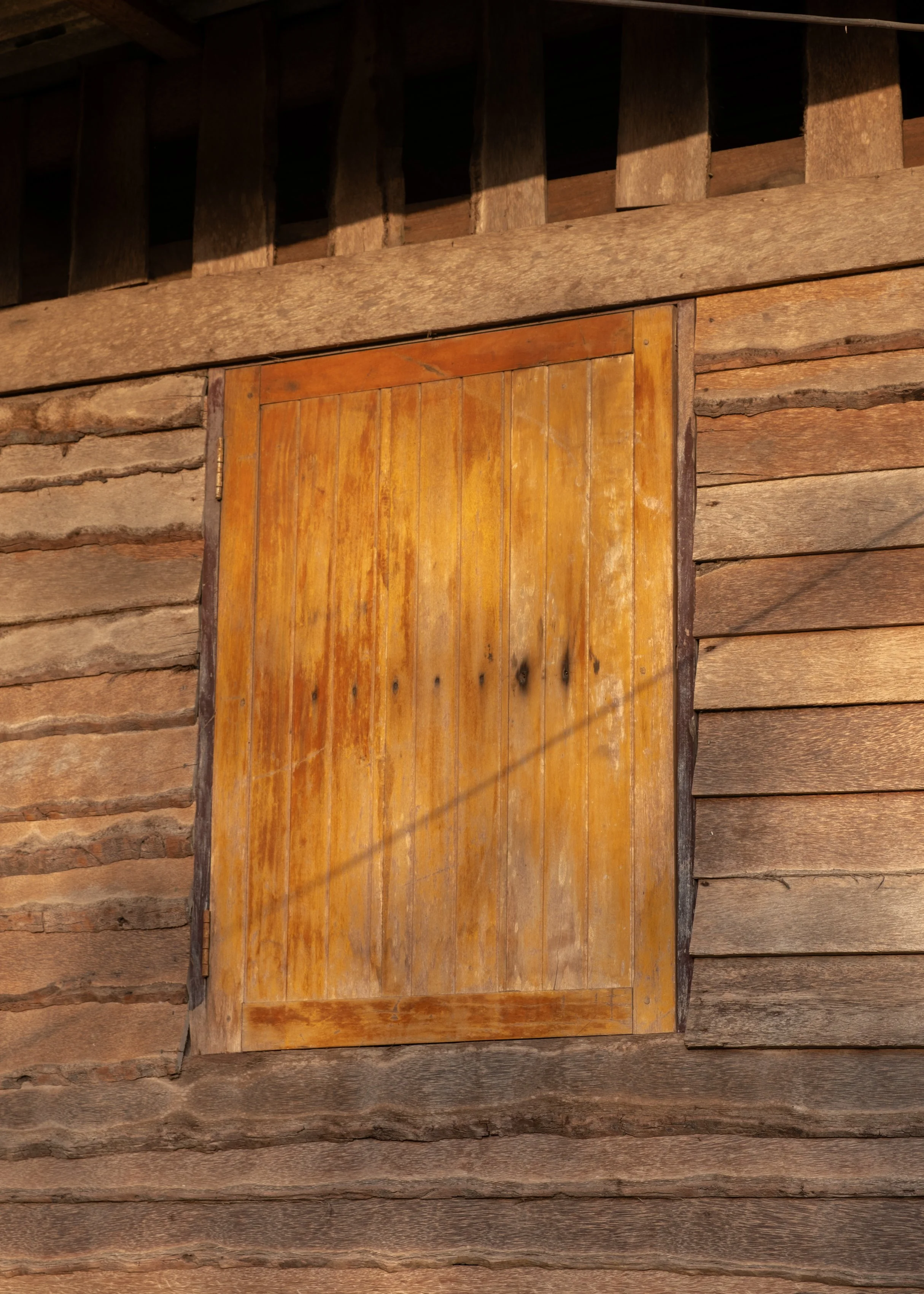
For hospitality, this relationship matters. Boutique destinations often rely on distinct identity—spaces where materials, construction, and landscape appear to belong to one another.
Craft reinforces this sense of belonging. It connects a building to local knowledge and labor. It allows materials to age with dignity. It introduces subtle irregularities that reveal human involvement.
Over time these qualities accumulate.
A building becomes part of the ongoing story of a place rather than an isolated object within it.
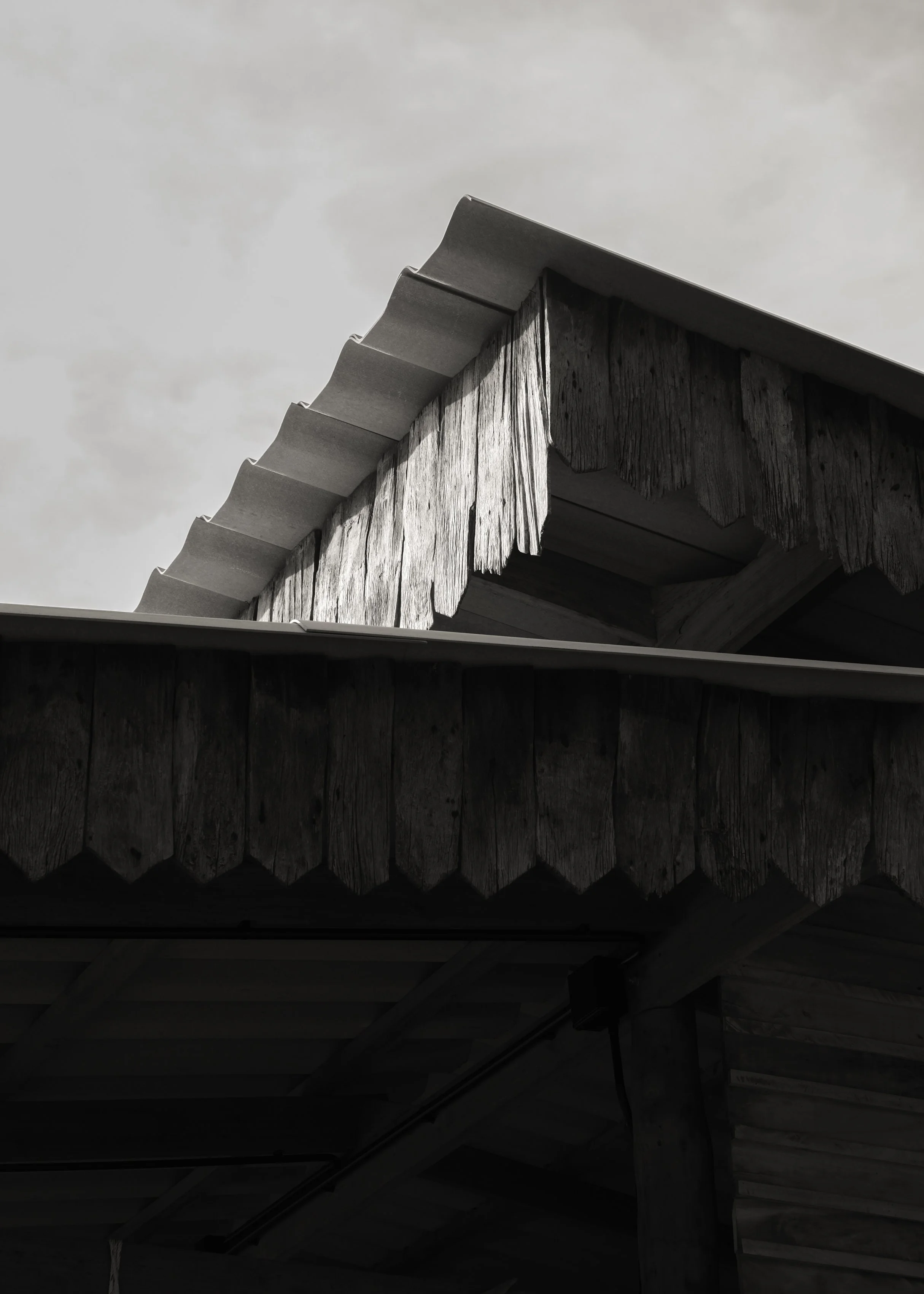
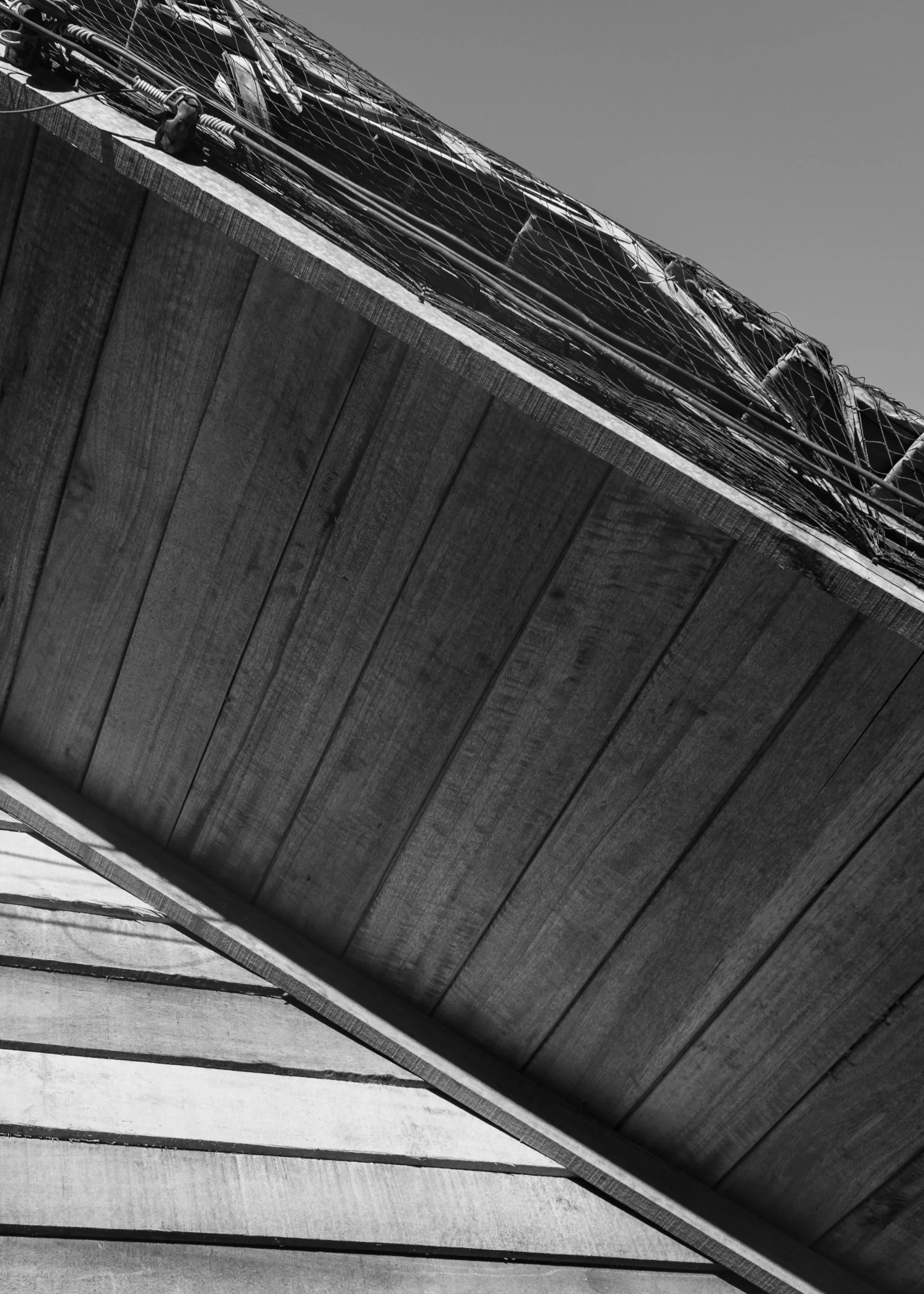
Continuity rarely emerges quickly.
It grows through repetition, repair, and gradual refinement.
The question is not whether architecture should appear traditional.
It is whether it contributes to the long-term continuity of the place in which it stands.